Posts

The Science Behind Textile Finishing Chemicals: How They Transform Fabrics
Image
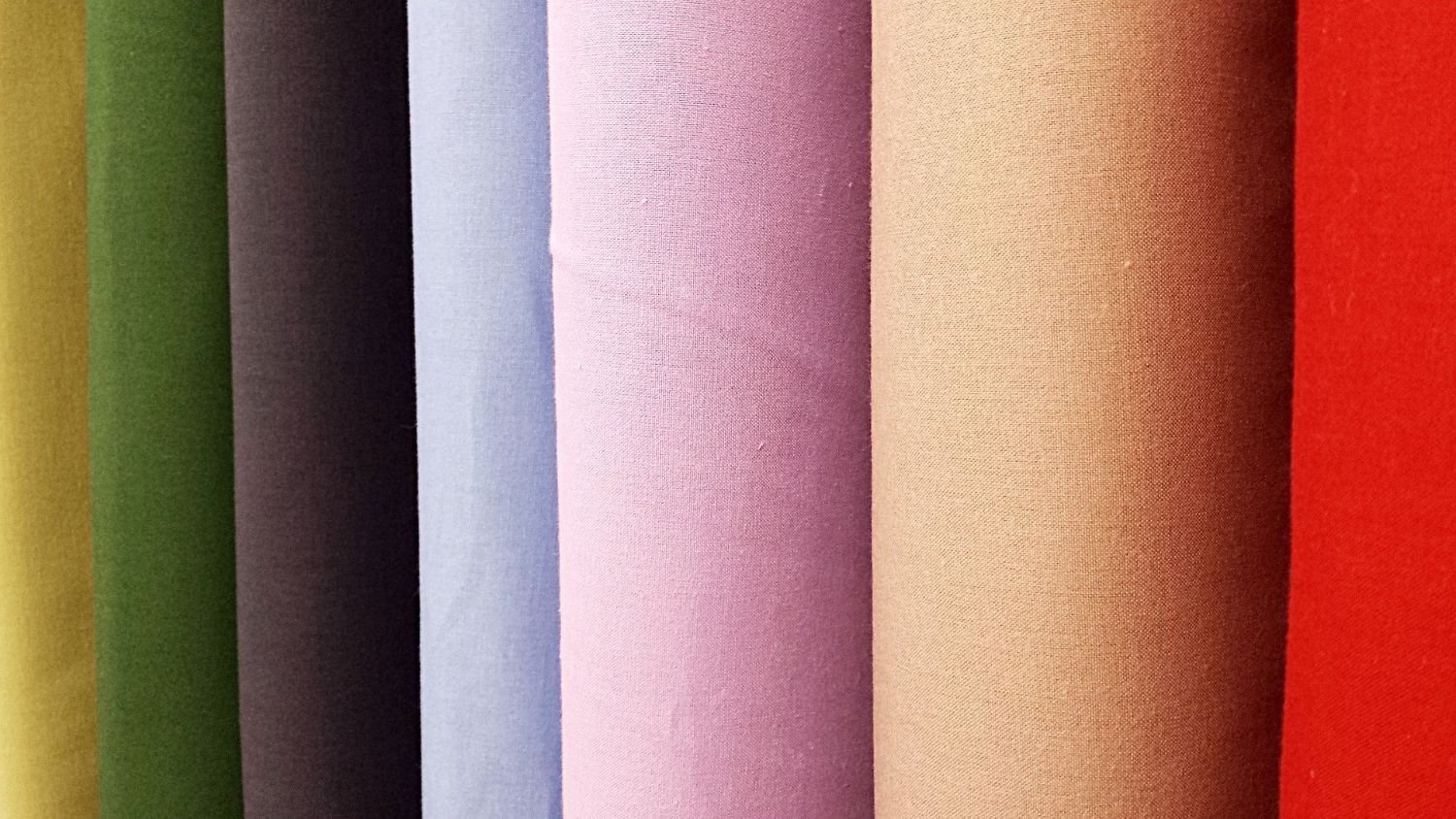
In textile technology, the creation of a fabric involves weaving and knitting, but those are only the beginnings. To attain the desired look, feel, and performance, fabrics must go through an indispensable last stage known as Textile Finishing. In this process, Textile Finishing Chemicals constitute the substantive agent to greatly enhance and tailor fabric properties for different end uses. This blog will detail and delve into the science of textile finishing chemicals, their different types, how they work, and then the futuristic trends transforming the textile industry by innovation leaders such as Colourinn Auxiliaries . Understanding Textile Finishing Chemicals Textile finishing chemicals are applied in fabric post-manufacture to modify or improve its properties or characteristics. Whether it is to soften a fabric, make it water-repellent, wrinkle-free, or flame-retardant, these specific chemicals help prepare textiles for varied functional and aesthetic needs. To improve the app...

Discover the Role of Blooming Agents in Textile Industry

Image
In the ever-evolving textile industry, efficiency, consistency, and quality are paramount. As manufacturers strive for perfection in color, texture, and fabric performance, chemical additives play a crucial role in streamlining operations and enhancing results. Among these, Blooming Agents have emerged as essential components in textile processing. These agents provide much assistance during dyeing of the products and contribute towards uniformity and greater aesthetics of the final product. This blog will discuss what blooming agents do, how they are applied industrially, and specifically how they relate to auxiliaries used in textile dyeing. What Are Blooming Agents? Blooming agents are specialized chemicals that are usually used for modifying surface characteristics during manufacturing. For textile applications, they are commonly formulated to disperse colorants or finishes and provide a more consistent appearance between fibers.  Blooming agents essentially improve surface en...

Top Benefits of Using Water Repellent Chemicals in Textiles

Image
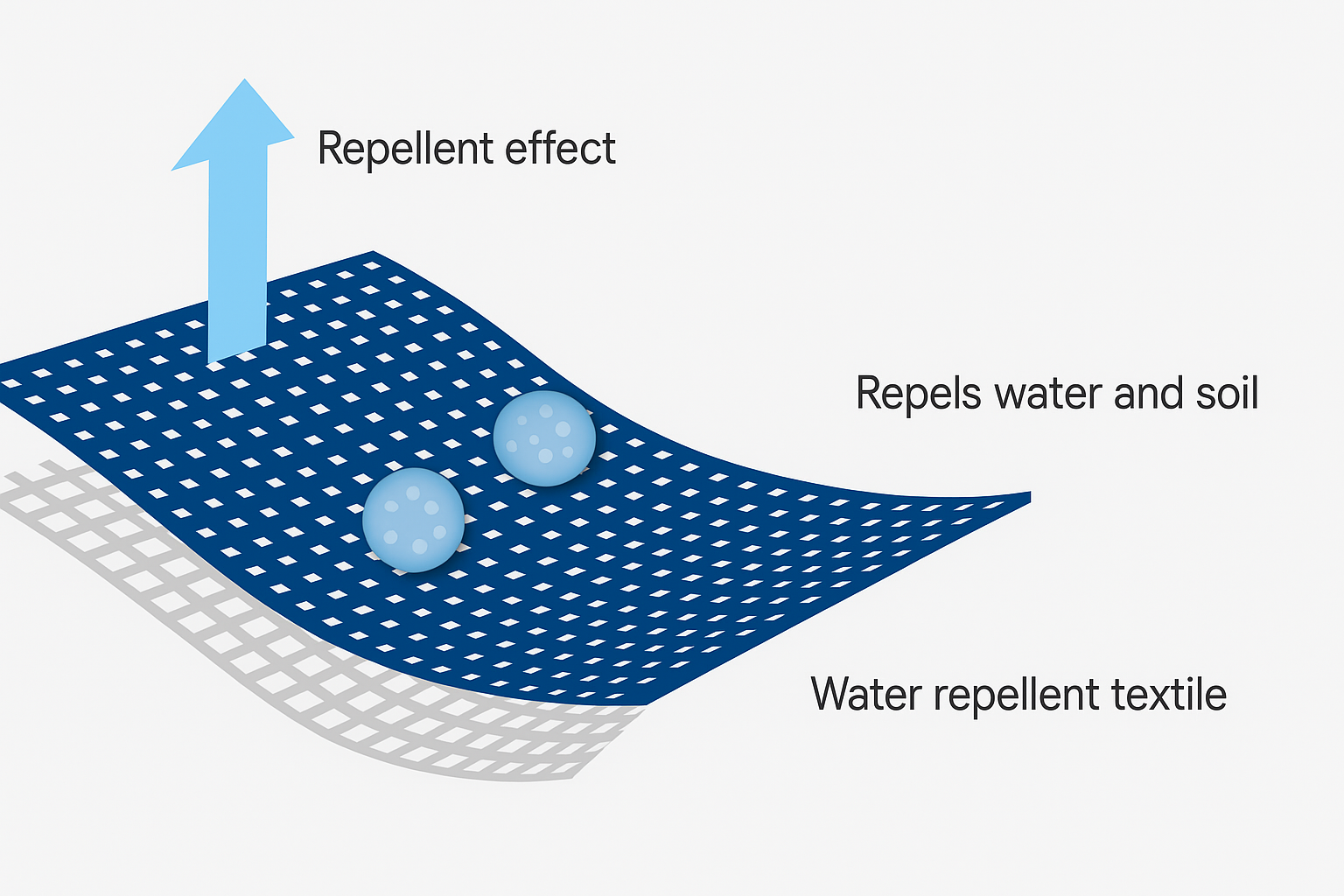
In the modern textile environment, product performance is as important as aesthetics. Water should be kept out of outdoor apparel and casual clothes, even if comfort requires the proper feel and drape. Water repellent chemicals , These specialized textile finishes are able to radically alter the functional properties of fabrics, conferring multiple advantages in terms of product quality and durability. This blog discusses the top benefits of water repellent chemicals in textiles, detailing their types and applications, with a reminder of what these chemicals mean for modern textile production.  What Are Water Repellent Chemicals? Water repellent chemicals are specially formulated finishes applied to fabrics so that these are capable of resisting water. Unlike waterproofing, which is complete water penetration blockage, water resistance means the fabric resists moisture while allowing breathability and softness. By reducing the surface tension of the textile fibers, these chemicals ...

Why Disperse Dyes Are Ideal for Polyester and Synthetic Fabrics

Image
Vibrant and durable colors on synthetic fibers such as polyester in the textile industries require specialized dyeing processes. Unlike dyes on natural fibers, synthetic materials do not tend to absorb water-soluble dyes easily. Disperse dyeing is used to help achieve deep shades with reasonable durability. Colourinn Auxiliaries is a major supplier of dyeing products that add excellent color retention and performance properties to the fabrics used in the industry. This blog explores the reasons that make disperse dyes the best choice for polyester and other synthetic fabrics. 1. Understanding Disperse Dyes Disperse dyes are a kind of colorant to be classified as non-ionic and more importantly water insoluble so that they can be used to dye fibers hydrophobically- polyester, acetate, and nylon.  Unlike reactive colors, or acid dyes that find their basis in water solubility, disperse dyes are finely ground to a small size and dispersed in water with the help of different kinds of a...